
Socio-economic and institutional factors in urban shrinkage processes
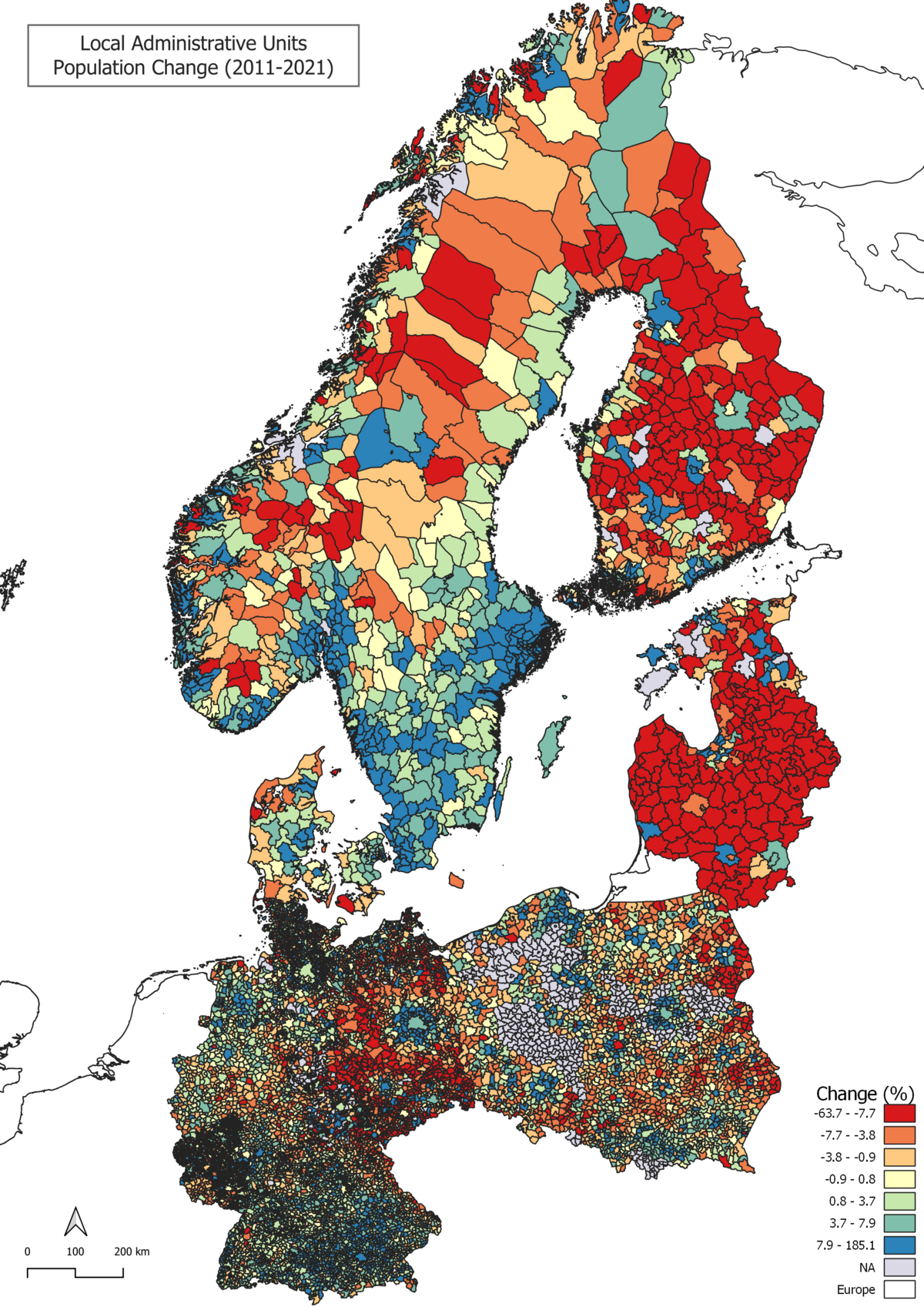
In the context of advancing demographic change and diverse international and subnational migration patterns, population decline is a relevant trend that affects not only rural areas but also cities in the Baltic Sea Region. This work package examines urban shrinkage processes from a socio-economic and institutional perspective, focusing in particular on the relationship between population decline and homeownership.
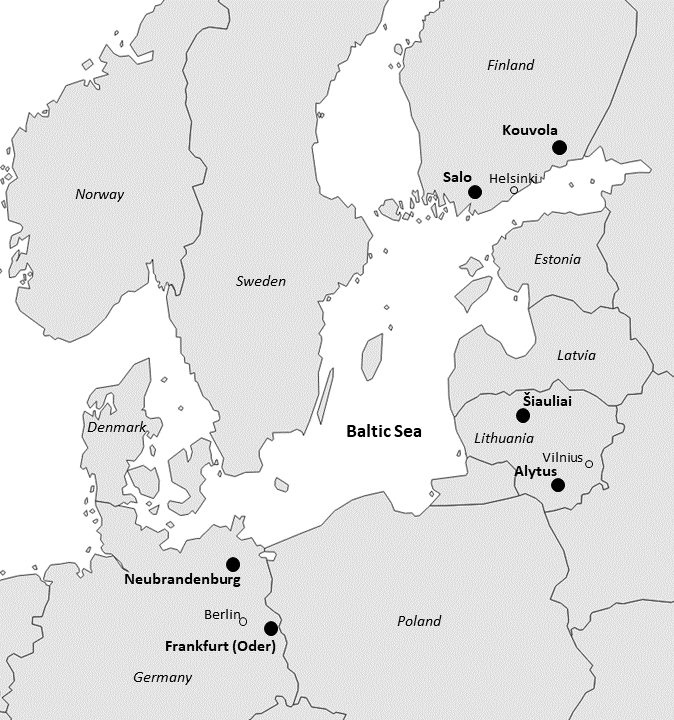
As an object of material, social and financial significance, real estate ownership is fundamentally affected by local demographic developments. This work package examines the socio-economic, spatial and institutional links between urban decline, local economic context and homeownership in the Baltic Sea region using a mixed-method approach. This involves both regression-based quantitative analyses of secondary data (census data, administrative statistics) and the collection and joint evaluation of qualitative data for six case study cities (in Germany, Lithuania and Finland). The results reveal geographically differentiated trends in homeownership in shrinking cities, which affect spatial (in-)equality and hold implications for regional development policy.
People
Hasan Can Orhan, Paula Prenzel (PI)