The Baltic Sea region is characterized by open borders, democratic societies, prosperity, peace, and neighborliness. Still? Populism, migration, the financial crisis, the pandemic, the climate crisis, and not least war have confronted the region with challenges so significant for its cohesion that, for several years now, we have been certain that something fundamental has changed. Research has been studying transformation – that is, change – for decades, and the guiding theme of resilience is less about already being resilient than about becoming resilient, precisely because the challenges keep growing. But how can we recognize when and where these changes have genuinely and perceptibly shifted the spirit of the region?
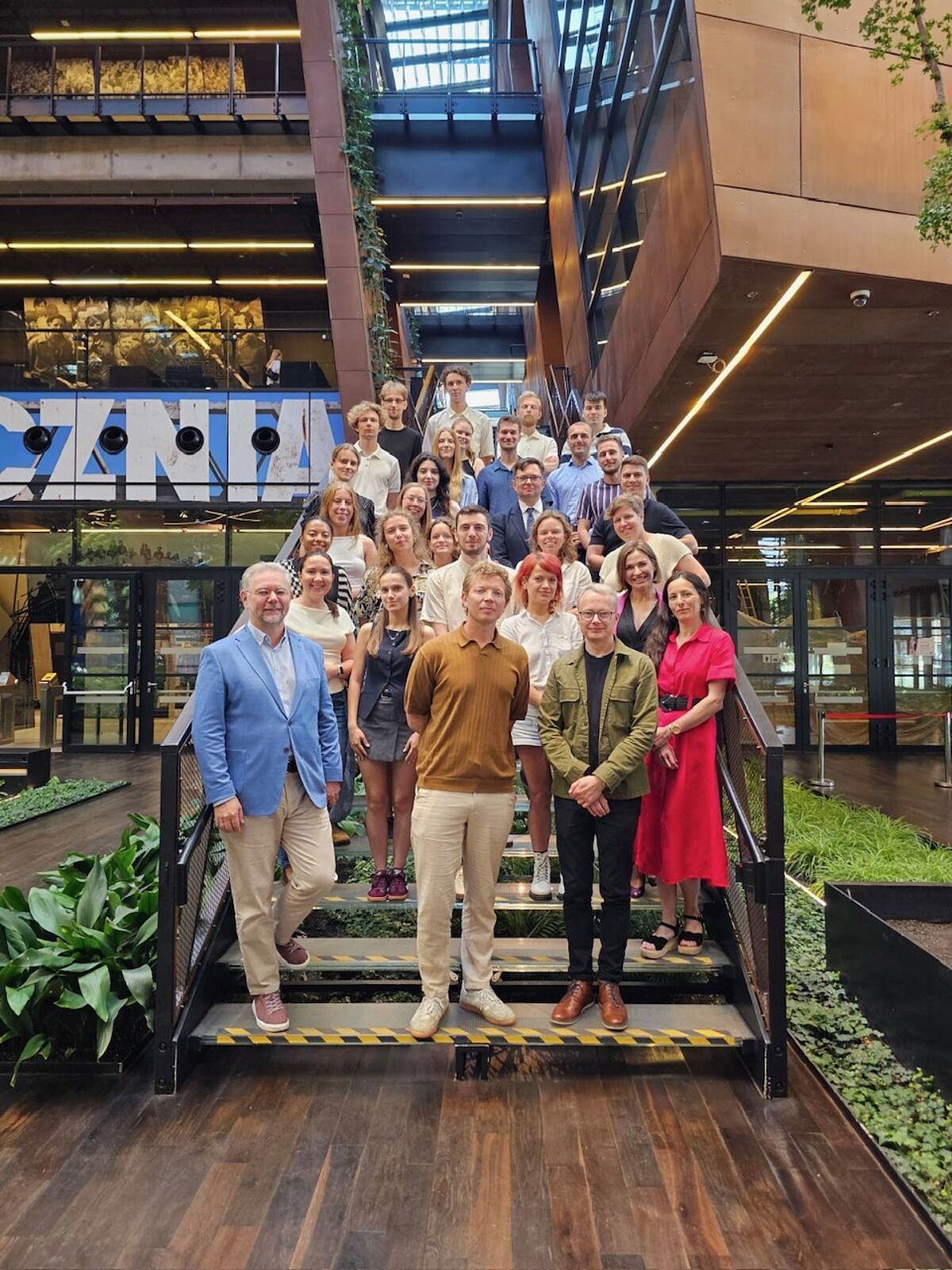
This year's Summer University, organized by the Council of the Baltic Sea States (CBSS) and the Young People's Network for Balticness (YoPeNET) under the theme "Youth, Resilience and Future in the Baltic Sea Region" and held in Gdańsk from 13 to 18 July 2026, made that change tangible in an impressive way. Yes, this is a different region from the one we have been researching since the 2000s. No, from the participants' point of view it is not less democratic, but it relies on entirely different solutions and reaches consensus in ways that some observers might not expect and that differ from the patterns familiar from the history of the region since 1990. Consider for instance nuclear power, migration, fake news, or border regimes and so on.
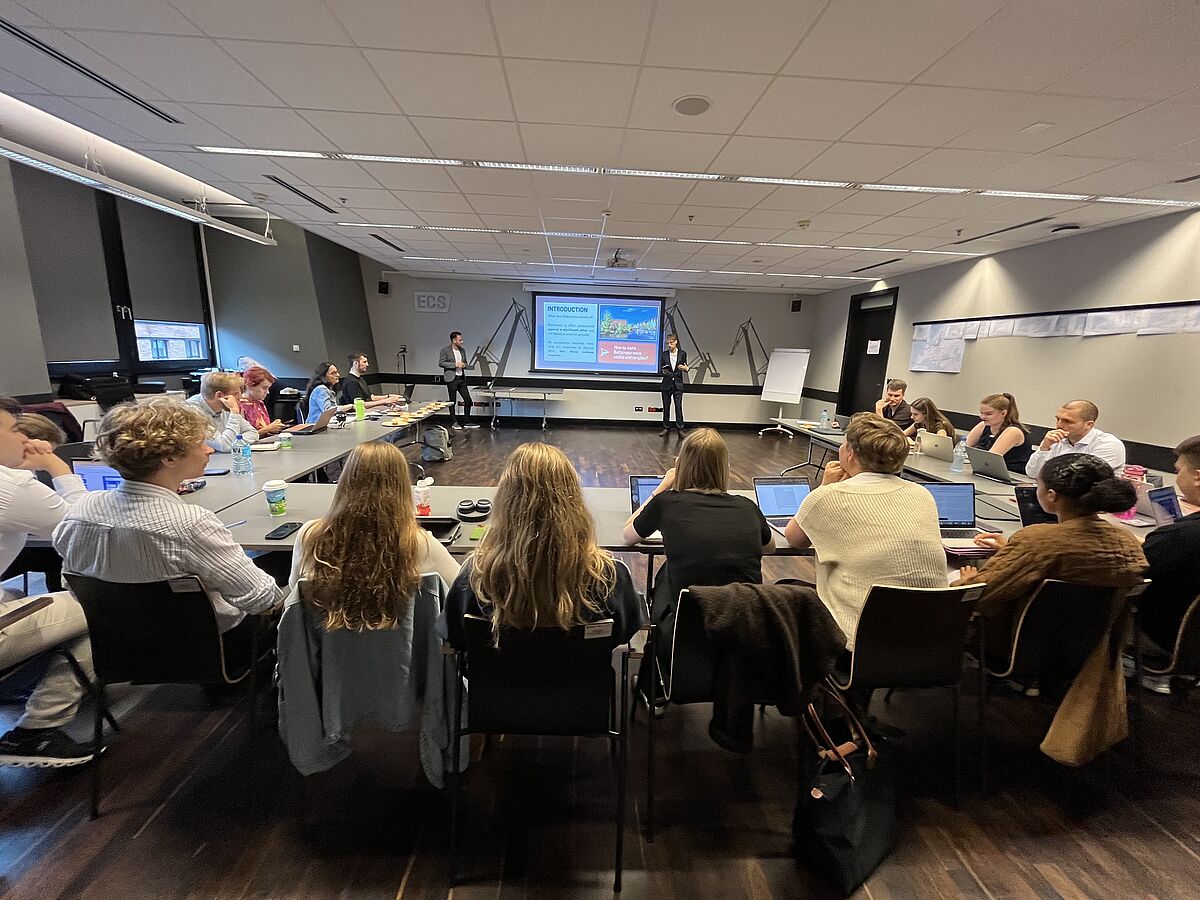
How did we find this out? Through a combination of foresight research and exploratory scenario work in a workshop held in the second half of the week. Beforehand, historians, security experts, and social scientists had introduced the manifold structural and institutional dimensions of becoming resilient, from border regimes to migration law, from media literacy to democratic participation. The workshop itself then put four scenarios for the future of the region, and for Balticness as an anchor of regional identity, up for discussion.
Michał Stokowski (Busola Trends, Warsaw) introduced the participants to the concepts and methods of foresight research. He drew on the core societal themes of the Baltic Sea region identified in a Delphi study carried out by YoPeNET and Busola Trends in spring 2026, which he had condensed into four future scenarios: (1) Relying on distant friends, (2) Safety is a business, (3) Pragmatic resilience, and (4) The Baltic fortress. Each group was then asked to take one of these scenarios as its starting point and to develop from it its own vision of the future of the Baltic Sea region.
Some of the results were astonishing, though perhaps not surprising in light of current discourses and developments in the region. On the final day of the Summer University, the the future young leaders presented their projected futures.
The first group constructed the future of Balticness around a shared and common heritage. It saw an opportunity in a region-wide TV channel and called for more Erasmus funding, since it located the key to a shared heritage in greater mobility and more focused education.
The second presentation proved controversial, though only within the advisory team and not among the young participants themselves. Since five countries in the region are considering new power plants as an answer to energy security, among them small modular reactors, the group imagined a nuclear future for the Baltic Sea region, shared by all ten CBSS member states, with the CBSS itself serving as the coordinating institution. Establishing nuclear power would be an investment, and so would dealing with the resulting waste.
Visibly suppressing its indignation, the advisory team asked about the ecological implications of nuclear waste and raised the historical dimension by invoking the experience of Chernobyl. And yet a surprising unanimity emerged among the young professionals and students: given the unreliability of renewable energies, they saw no alternative to nuclear power. The voice of a new generation, and a very different image of the region.
The group working on migration futures set out to propose a more humane response to the repeated instrumentalization of refugees by Belarus and to the inhumane border regime that has followed from it. Yet even where stereotypes are dismantled through education and both NGOs and street-level bureaucrats are trained accordingly, most societies along the border still seek to seal themselves off in order to protect themselves, and a moral dilemma remains. The discussion of a humane approach to migration in the future projection showed that the participants were well able to distinguish between aid and available capacities, and between threat prevention and protection.
The next two groups addressed a very important theme: civil resilience. Both proposed developing a region-wide app for hazard communication, preparedness, and interaction in crisis situations. The discussion of the two apps showed that, given the high mobility within the Baltic Sea region for both work and leisure, a single app combining all country-specific emergency and preparedness information could be genuinely more helpful than one app per country. At the same time, all participants were aware of the difficulties of interaction and its moderation. Who decides whether a hazard alert is true? Should only state authorities be able to provide this information, or should everyone? What role do local actors play, given that they are the ones who have to provide help and protection on the ground? These were scenarios that brought the question of civil protection strikingly close to home for everyone involved.
The final two presentations turned to security, a major concern across the entire region and at almost every level. The first of these groups identified rising defense spending as a problem for social cohesion, while the second saw dependence on non-EU and non-regional defense industries as a problem for security and for technological sovereignty in the defense sector.
The first group proposed increasing public trust through greater transparency in spending, and fostering understanding through greater security literacy, both of which would counteract polarization and social division. The second located the future in a regional industrial cluster dedicated to protecting critical undersea infrastructure.
Both presentations were compelling, and both framed the future of the Baltic Sea region primarily in terms of security and defense. When the advisory team asked provocatively whether they had encountered any hint of pacifist opinion, no one had, and no one currently saw any grounds for it.
A very different future from the one some might expect, but also projections, opinions, and proposed solutions to be taken very seriously: this is what the participants of this year's CBSS and YoPeNET Summer University presented, and took home with them.