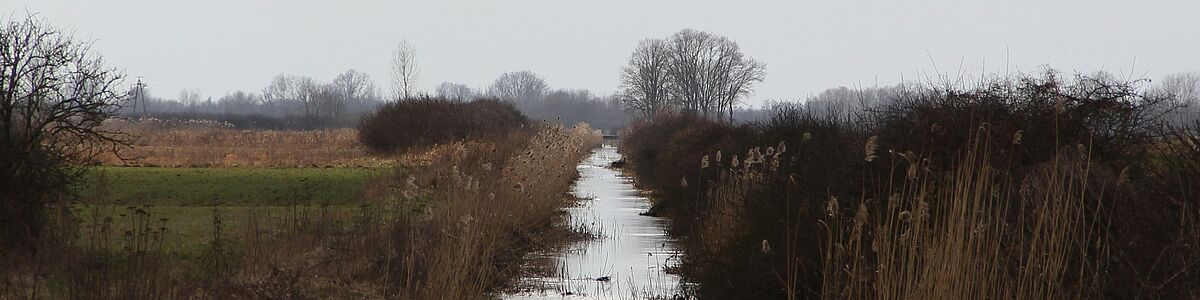
This subproject examines how changes in peatland landscapes affect democratic structures and local participation. It focuses on how peatland rewetting is politically communicated and negotiated — particularly amid resistance such as the "wet expropriation" narrative or fears of mosquito infestations, which can become politically instrumentalized. Using qualitative interviews, the project analyzes the attitudes and strategies of parties, authorities, and interest groups. Comparing Germany (with a focus on Mecklenburg-Vorpommern) to other Baltic Sea states, it aims to identify best practices that foster social acceptance and strengthen democratic negotiation processes without undermining ecological resilience goals.